How to Sell Clothing on eBay: Measurements, Tags and Photos That Prevent Returns
Size tags lie. Measurements don't. A practical guide to reading tags, measuring garments, photographing wear and writing clothing listings that don't come back.
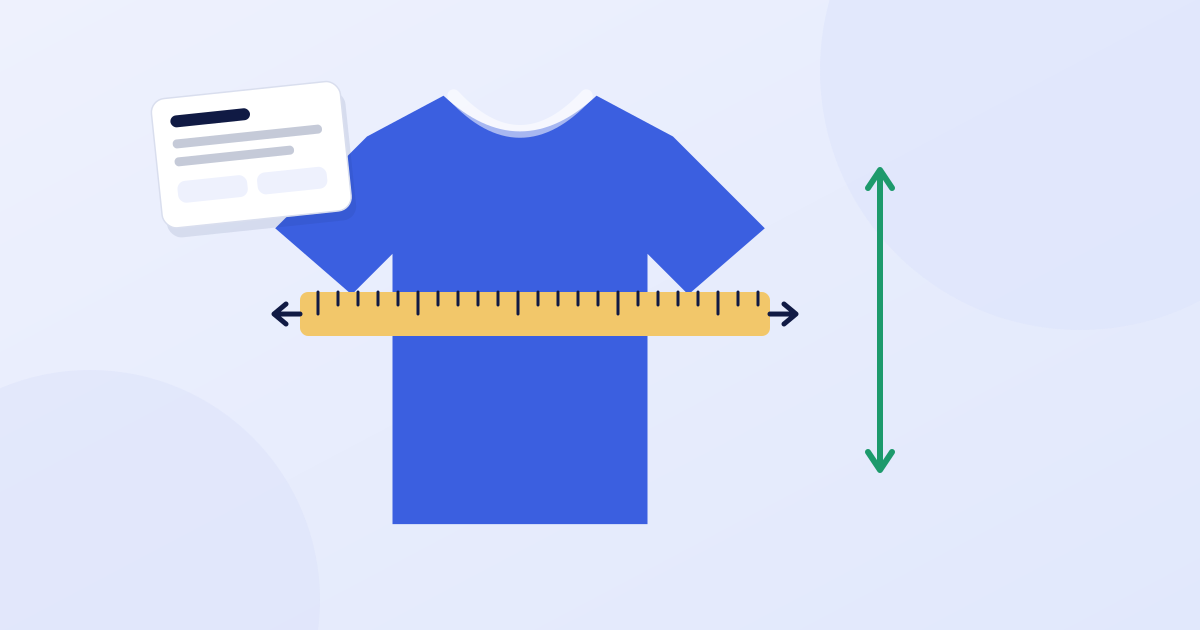
Clothing is one of the easiest things to source and one of the easiest to get returned. The reason is simple: a size tag isn't a measurement. A medium from one brand fits like a large from another, sizes shifted over the decades, and a garment that has been washed fifty times isn't the size it was when new.
Buyers know this, so the listings that sell are the ones that give real numbers.
Read every tag
Photograph and read each tag on the garment. Between them they tell you almost everything a listing needs:
- Brand label. Check the exact brand and any line or style name.
- Size tag. US, EU or UK sizing, and whether it's Regular, Petite, Tall or Plus.
- Care label. Fabric content and where it was made. This feeds the Material field.
- RN number. Many US-made garments carry a registered identification number that can help you identify a maker when the brand label is missing or faded.
Don't rely on memory or on the department the item was hanging in. Tags are the source of truth.
Measure the garment
Lay it flat and measure it yourself. Buyers use these numbers to compare against clothes they already own.
| Garment | Measure these |
|---|---|
| Shirts, tops, sweaters | Pit to pit (across the chest), length from the shoulder seam to the hem, shoulder width, sleeve length |
| Jeans and pants | Waist (flat across the waistband), inseam, rise, leg opening |
| Dresses and skirts | Bust (pit to pit), waist, hip, total length |
| Jackets and coats | Pit to pit, length, sleeve length |
| Shoes | US size from the tag, plus insole length |
Always say how you measured. "Waist 16 in, measured flat" and "Waist 32 in, doubled" are the same pants, and a buyer who assumes the wrong one is a return. Put the numbers in the description and, ideally, in a photo with the tape visible.
Photograph the garment honestly
Follow the photo shot list, then add the clothing-specific shots:
- Front and back, laid flat on a clean sheet in daylight.
- Every tag, close enough to read.
- The usual wear spots: collar, cuffs, underarms, elbows, knees, crotch, hem.
- Fabric detail: pilling, texture and any pattern.
- A tape-measure shot for the key measurement.
Show color as accurately as you can. Window light with no flash is the closest to true color.
Describe condition precisely
Clothing flaws are small, common and easy to describe, so describe them. The usual suspects:
- Pilling or fuzz, especially on sweaters and fleece
- Stains or discoloration, particularly underarms and collars
- Fading, stretched cuffs or waistbands
- Missing or mismatched buttons, broken zippers
- Fraying hems, small holes, loose threads
- Odors: smoke, pets, perfume or mustiness
Say where each flaw is, how big, and which photo shows it. See how to describe condition without returns for wording that works.
Write the title and fill in the item specifics
A reliable title pattern for clothing is: Brand, line or style, garment type, department, size, color, material, key detail. For example:
- J.Crew Men's Slim Fit Oxford Button Down Shirt Size M Blue White Striped Cotton (79 characters)
- Patagonia Better Sweater 1/4 Zip Fleece Pullover Women's Size M Navy Blue (73 characters)
Then fill in the item specifics from the tags: Brand, Size, Size Type, Department, Color, Material, Style, Pattern, Sleeve Length and Closure. Buyers filter on these, so each blank is a set of searches your listing can't appear in.
Price and ship
Search for the same brand, style and size and look at what sold, not what's listed (the method). Size matters a lot for pricing: the common sizes sell fastest, and rarer sizes can take longer.
Clothing is light, so it usually ships well in a poly mailer, and free shipping built into the price is common. Weigh the packed garment before you list (shipping guide).
Think about timing, too. Coats and sweaters search best in fall, and swimwear and sandals in spring. If an item is out of season, it can be worth listing it anyway and waiting, or listing it early for the next season.
A quick clothing checklist
- All tags photographed and read
- Key measurements taken and the method stated
- Every flaw photographed and described
- Title includes brand, type, size and color
- Item specifics filled from the tags
- Price checked against sold listings in your size
Keep reading

How to Sell Video Games and Consoles on eBay (Testing, Photos and Listings)
Games and consoles sell steadily, but untested units, wrong regions and missing parts cause returns. Here's how to identify, test, photograph and list them properly.

eBay Shipping for Resellers: Calculated, Flat Rate or Free Shipping?
How you charge for shipping changes what buyers see and what you keep. Here's the math behind calculated, flat-rate and free shipping, and how to find your real cost.

eBay Best Offer: How to Set Auto-Accept and Auto-Decline Without Losing Money
Best Offer can help items sell, or quietly cost you money. Work out your floor price first, then set your auto-accept and auto-decline limits with confidence.