eBay Shipping for Resellers: Calculated, Flat Rate or Free Shipping?
How you charge for shipping changes what buyers see and what you keep. Here's the math behind calculated, flat-rate and free shipping, and how to find your real cost.
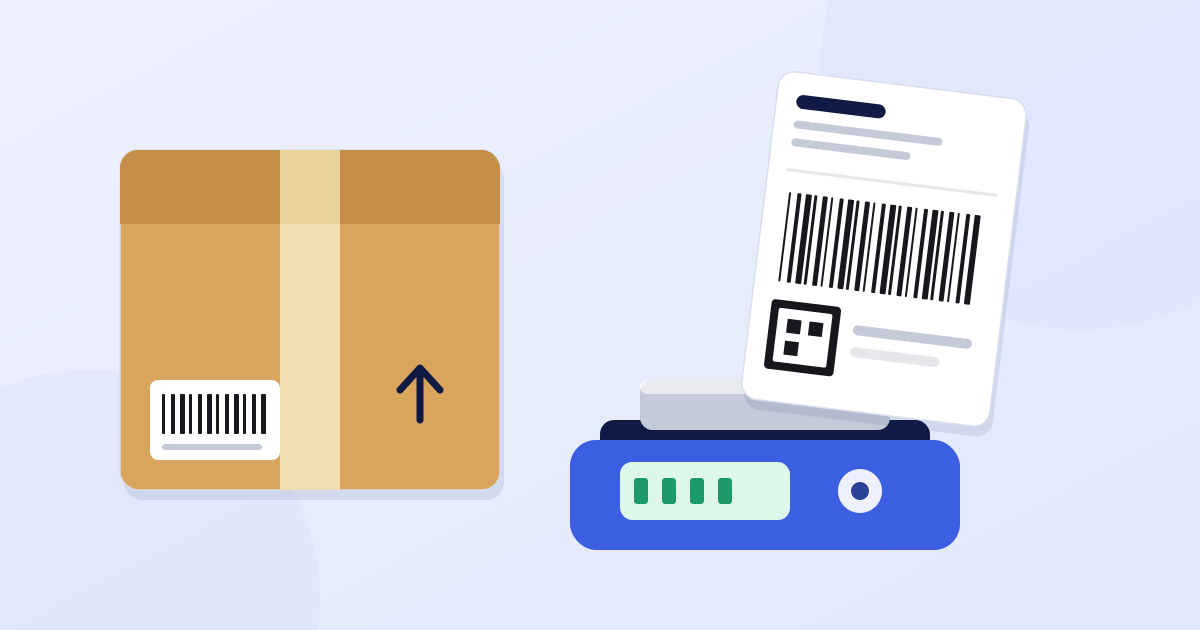
Shipping is where small resellers quietly lose money. A $30 item that costs $7.50 to ship is a very different sale from one that costs $3, and the way you charge for shipping decides who absorbs the difference: you or the buyer.
There are three ways to do it. They look similar on the listing, but they don't pay you the same.
The three ways to charge
- Calculated shipping. eBay works out the buyer's shipping cost from the package's weight, size and destination. You pay the actual postage and the buyer pays about the same, so distance doesn't hurt you.
- Flat-rate shipping. You pick one price for every buyer, near or far. Simple for buyers, but you carry the risk when a package costs more to send than you charged.
- Free shipping. The buyer sees no shipping charge. You cover the postage out of the item price, so the price is higher.
The same item, three setups
Say you want to net the equivalent of a $30 item plus the postage, and the label really costs $7.50. Fees are 13.6% plus the $0.40 per-order fee, charged on the item and shipping, with no sales tax to keep it simple.
| Setup | Buyer pays | eBay fees | You receive | Label | Left after the label |
|---|---|---|---|---|---|
| Calculated: $30 item + $7.50 shipping | $37.50 | $5.50 | $32.00 | $7.50 | $24.50 |
| Free shipping: $37.50 item | $37.50 | $5.50 | $32.00 | $7.50 | $24.50 |
| Flat $5 shipping: $30 item + $5 | $35.00 | $5.16 | $29.84 | $7.50 | $22.34 |
Two things stand out:
- Calculated and free shipping pay you exactly the same. The fee is charged on the total either way, so "free shipping" is just the same money presented differently. What changes is how the listing looks to a buyer comparing prices.
- The flat $5 setup loses $2.16 on this sale because the label cost more than you charged. Over a hundred sales that's $216. It would have made money on a nearby buyer with a cheaper label, but you don't control who buys.
Which one to use
| Situation | Usually best |
|---|---|
| Heavy, bulky or fragile items | Calculated, so far-away buyers pay their real postage |
| Light items under a pound or so | Free shipping, built into the price |
| Small items that cost about the same to ship anywhere nearby | Flat rate, if you know the label cost |
| Items buyers compare on price alone | Free shipping, because many buyers filter search results by it |
None of these is universally right. Check how the sold listings for your item ship (how to read them) and match the norm unless you have a reason not to.
Get your real cost, not a guess
The number that matters is what the label and packaging actually cost. To get it:
- Weigh the packed item, including the box or mailer, on a cheap postal scale. A 6-ounce item in a 4-ounce box ships as 10 ounces.
- Measure the package. Light but bulky parcels can be billed by size instead of weight.
- Choose the smallest package that protects the item. Bigger boxes cost more to ship and more to buy.
- Price the label before you list. eBay's label tool shows the cost for a given weight and destination. Labels bought through eBay are often cheaper than counter prices, but check current rates for yours.
- Add packaging. Mailers, tape, label paper and filler cost something per package. Many resellers add a flat amount to every item.
Then drop that number into the fee calculator to see your real profit and break-even price.
Handling time and tracking
Ship within the handling time you promise, and make sure tracking uploads to the order. Late shipments and missing tracking are a common source of unhappy buyers, and they count against your seller record. If you buy labels through eBay, tracking is added for you.
Habits that protect your margin
- Weigh before you list, not after the sale. It's the only way the price can account for it.
- Offer combined shipping when a buyer wants several items. One box is cheaper than two.
- Skip cheap, heavy items. If the label takes most of the sale price, the item isn't worth listing. See where to source items.
- Keep a tally of label cost per category so your estimates get better.
Keep reading
How to Sell Clothing on eBay: Measurements, Tags and Photos That Prevent Returns
Size tags lie. Measurements don't. A practical guide to reading tags, measuring garments, photographing wear and writing clothing listings that don't come back.

How to Sell Video Games and Consoles on eBay (Testing, Photos and Listings)
Games and consoles sell steadily, but untested units, wrong regions and missing parts cause returns. Here's how to identify, test, photograph and list them properly.
eBay Best Offer: How to Set Auto-Accept and Auto-Decline Without Losing Money
Best Offer can help items sell, or quietly cost you money. Work out your floor price first, then set your auto-accept and auto-decline limits with confidence.